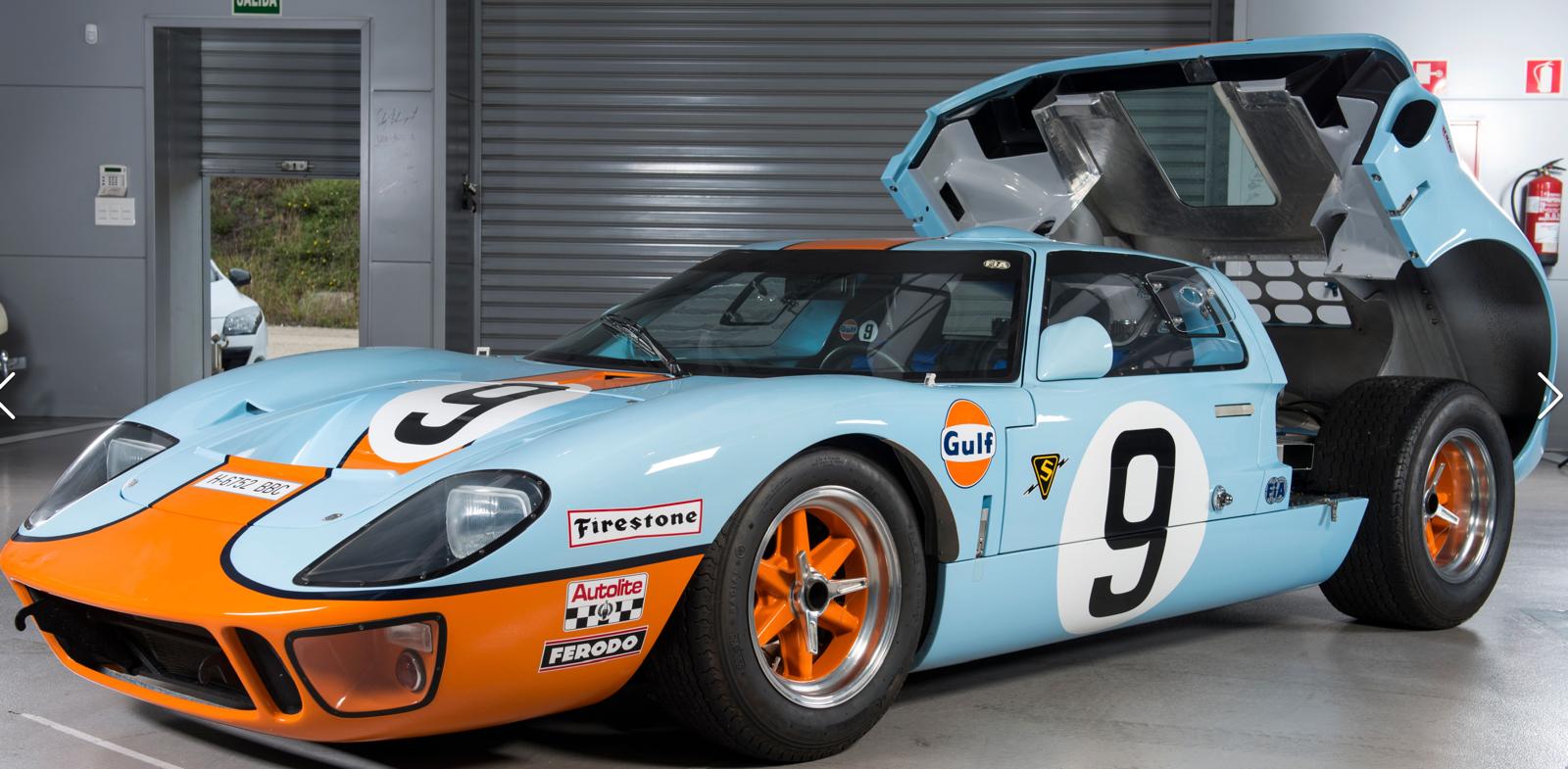
Description
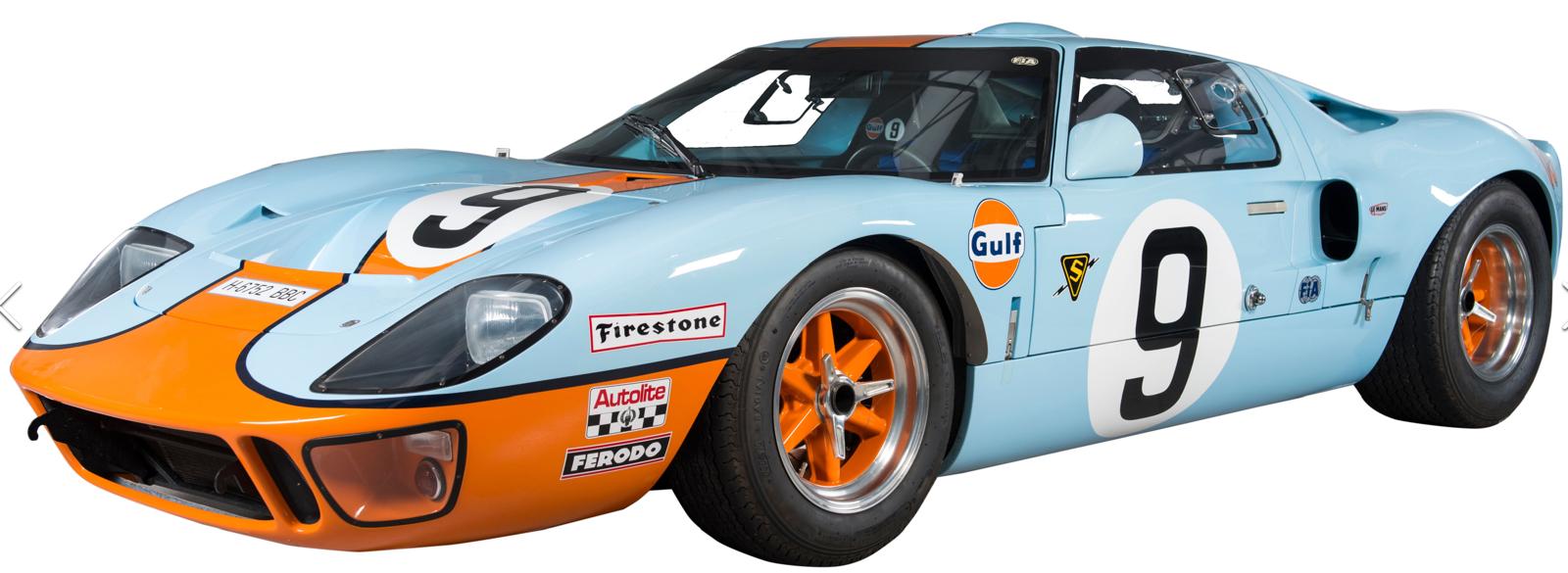
💎Ford GT40 — Historical Reconstruction
1965 → 1966 → 2026 | 60 Years of a Legendary Victory
There is a fundamental difference between a replica and a reconstruction.
This GT40 clearly belongs to the second category.
Storytelling — A Legend, Rebuilt to Be Lived
1965: the foundation
In 1965, Ford was refining its ultimate weapon.
The GT40 was already a purpose-built endurance machine, engineered with one objective only: to defeat Ferrari at Le Mans.
This car is built on an authentic 1965 GT40 base.
Its architecture, proportions and philosophy are not reinterpretations — they are a direct continuation of the original design.
Not a modern homage.
Not a stylistic exercise.
But a historically coherent foundation.
A true reconstruction
Over the decades, many original GT40s were:
-
raced,
-
damaged,
-
dismantled,
-
rebuilt to period specification.
This car follows that exact historical logic.
It is the result of a comprehensive reconstruction, combining:
-
original GT40 components,
-
period-correct rebuilt parts,
-
faithfully reproduced elements where originals were no longer available,
all assembled with strict respect for the technical and mechanical spirit of the era.
This is precisely why the car is officially considered a replica: not due to a lack of legitimacy, but due to historical transparency and traceability.
1966: the moment everything changed
Le Mans 1966 was not just a race win.
It was a turning point in motorsport history.
Ford delivered a historic 1–2–3 finish, ending Ferrari’s dominance and redefining endurance racing forever.
Four consecutive victories would follow, from 1966 to 1969.
This GT40 is not inspired by that triumph.
It is rooted in the same technical DNA, the same mindset, the same uncompromising approach.
2026: the perfect moment
Sixty years later, the timing could not be more meaningful.
Today:
-
original GT40s are locked away in collections,
-
valued in the multi-million range,
-
preserved, but rarely driven.
This reconstruction restores the GT40’s true purpose: to move, to sound, to be driven.
An authentic driving experience
Everything feels right:
-
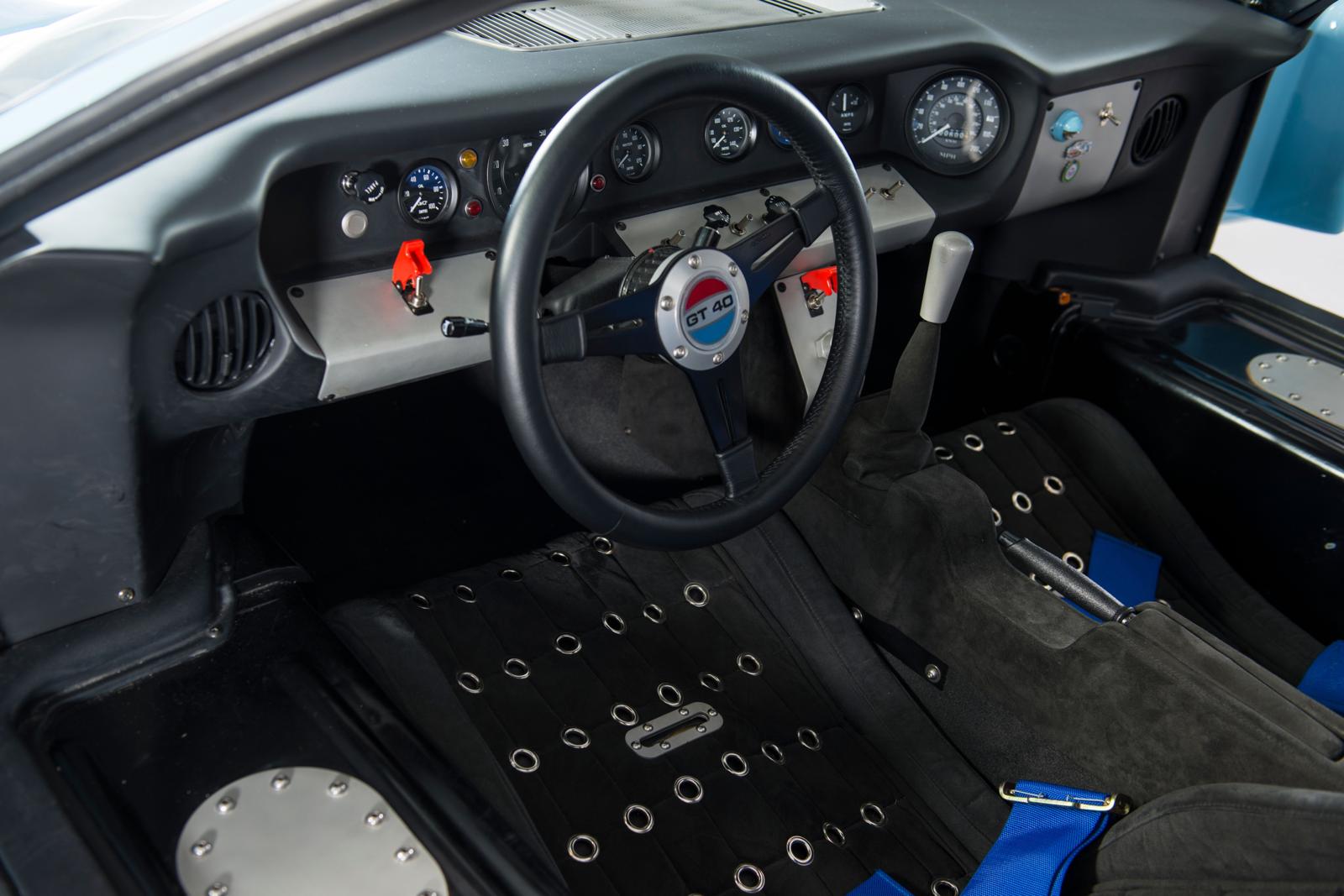
extreme seating position,
-
narrow, purposeful cockpit,
-
mechanical heat and presence,
-
no electronic filters, no compromises.
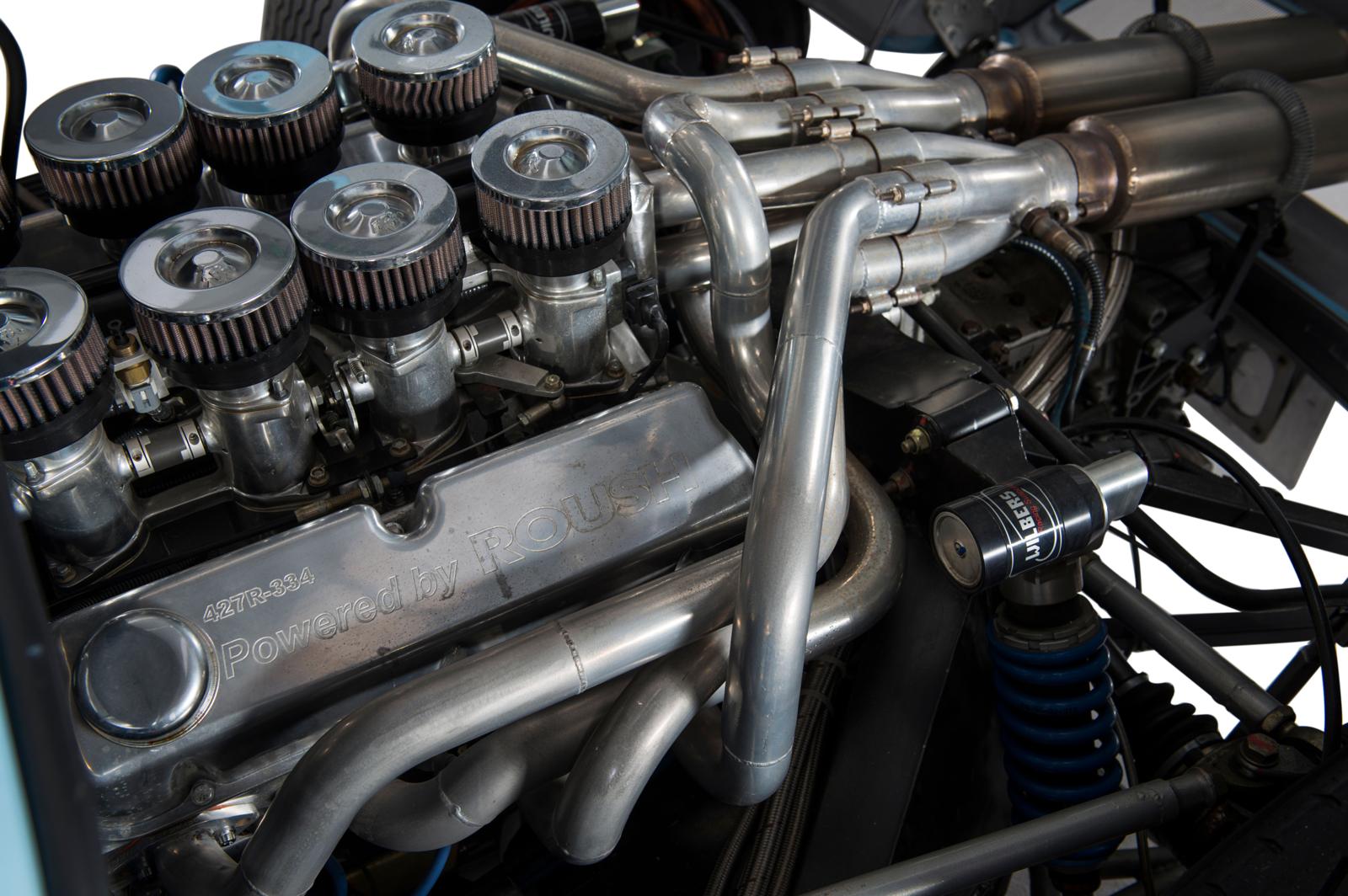
The mid-mounted V8 dominates the experience — visceral, raw, unmistakable.
No ABS.
No traction control.
No driver aids.
Only the driver, the machine, and history.
Why this GT40 makes sense
Because it does not pretend.
Because it does not exaggerate.
Because it respects what it truly is.
It stands:
-
above a simple replica,
-
more usable than an untouchable original,
-
more honest than many “museum-grade” cars that never move.
This is a GT40 rebuilt to continue its story.
Conclusion
In 2026, owning this GT40 is not about nostalgia.
It is about preserving motion, sound and intent.
Sixty years after Le Mans 1966, this car proves that some victories never fade — they evolve.
A legend, rebuilt to be driven.
🏁 Technical Specifications — High-End Reconstruction
General Architecture
-
Type: Mid-engine, rear-wheel-drive coupé
-
Base: Authentic 1965 Ford GT40
-
Chassis: Reinforced tubular / competition spaceframe
-
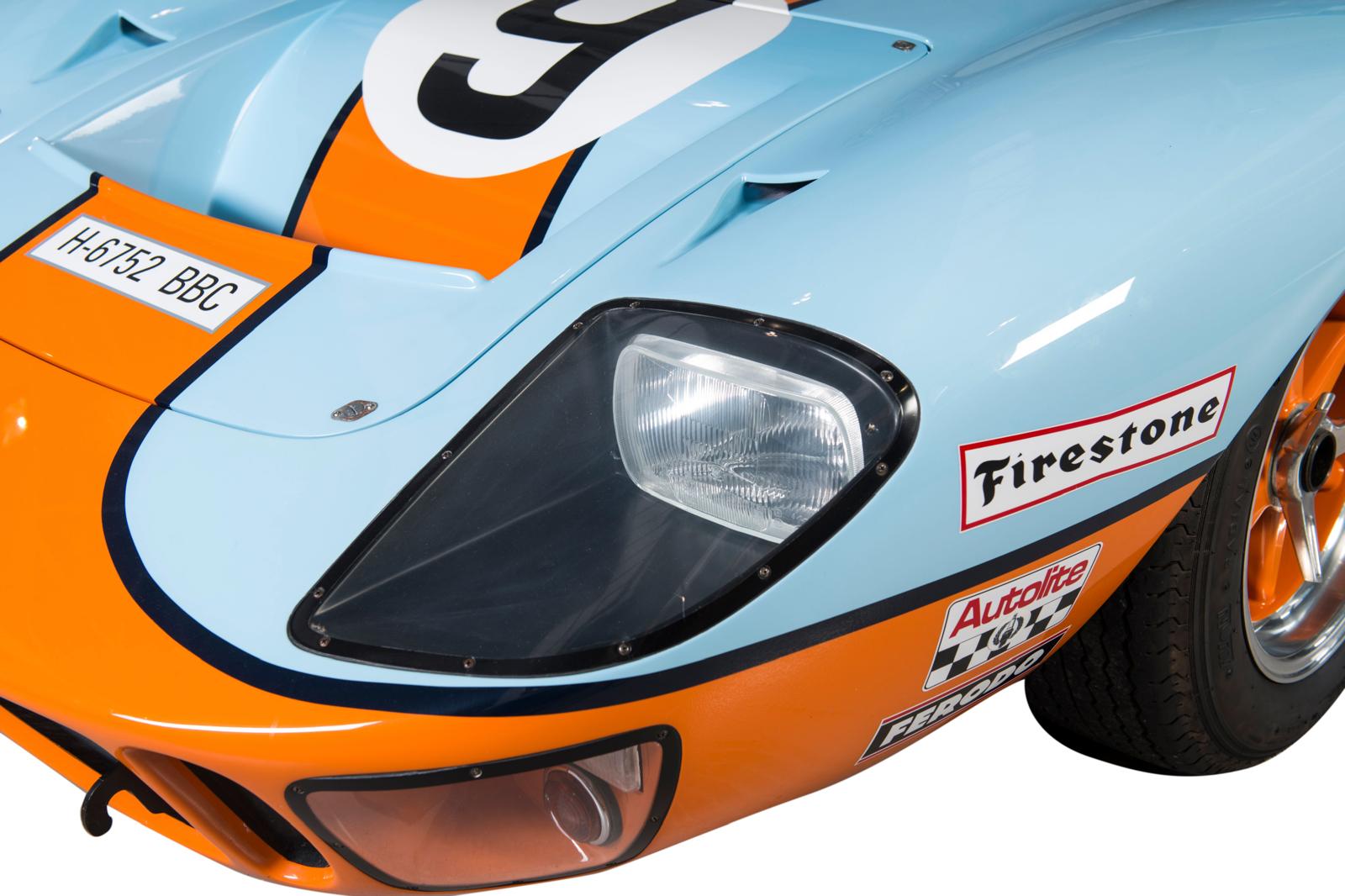
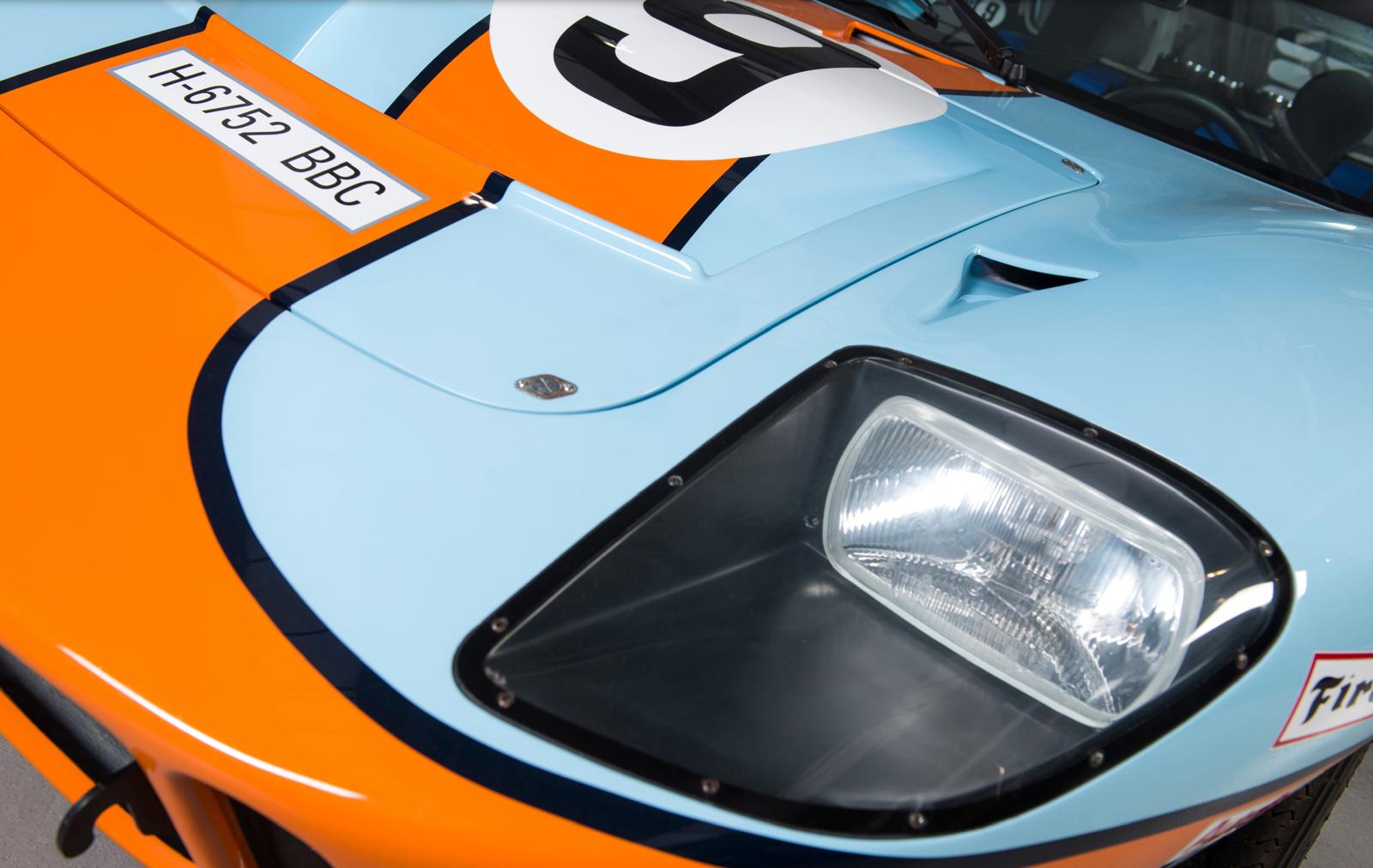
Bodywork: Lightweight composite, front and rear clamshells
-
Weight distribution: Approx. 40 / 60
Engine
-
Configuration: Naturally aspirated V8
-
Displacement: approx. 5.7 L (depending on final specification)
-
Position: Longitudinal, mid-rear
-
Induction: Individual intake / multiple carburetors (period-correct)
-
Power output: approx. 450–550 hp
-
Torque: > 600 Nm
-
Character: Raw, mechanical, endurance-racing sound signature
Transmission
-
Gearbox: Manual ZF-type transaxle, competition specification
-
Gears: 5-speed, close-ratio
-
Differential: Limited slip
Suspension & Handling
-
Front: Double wishbone, adjustable coilovers
-
Rear: Double wishbone, adjustable coilovers
-
Steering: Direct rack-and-pinion, no power assistance
Braking System
-
Type: Ventilated disc brakes on all four wheels
-
Calipers: Multi-piston, performance specification
-
Assistance: None (pure mechanical feel)
Wheels & Tyres
-
Wheels: Period-style aluminium wheels, central locking
-
Tyres: High-performance / semi-slick, road-legal
Performance (estimated)
-
0–100 km/h: ~ 3.5 seconds
-
Top speed: > 300 km/h (depending on gearing)
-
Kerb weight: approx. 1,000–1,100 kg
-
Power-to-weight ratio: Supercar level
Interior
-
Seats: Racing bucket seats
-
Harnesses: 4- or 6-point
-
Instrumentation: Fully analog, period-correct
-
Equipment: Minimalist, competition-focused
-
Driving aids: None
Final Word
This is not a reinterpretation.
It is a faithful reconstruction of a motorsport icon, designed to be experienced the way it always should have been.